Front Step Railings: Atlanta's Most Common Railing Project

Cody Frost • June 26, 2026

If we had to pick one project that accounts for more of our residential work than anything else, it's front-step handrails. It makes sense — most Atlanta homes have at least a few steps leading to the front door, and Georgia code requires a handrail on any stairway with four or more risers.


Here's what to expect if you're thinking about adding or replacing a front-step railing.


Why Homeowners Call Us


The most common reasons we hear:


The existing railing is rusted, loose, or damaged. Atlanta's humidity takes a toll on iron railings over time, especially at the base where they meet concrete.


There's no railing at all and one is needed — either for safety, for aging family members, or because a home inspection flagged it.


The homeowner is selling and wants to improve curb appeal before listing.


The existing railing is outdated and doesn't match the home anymore.


Design Options


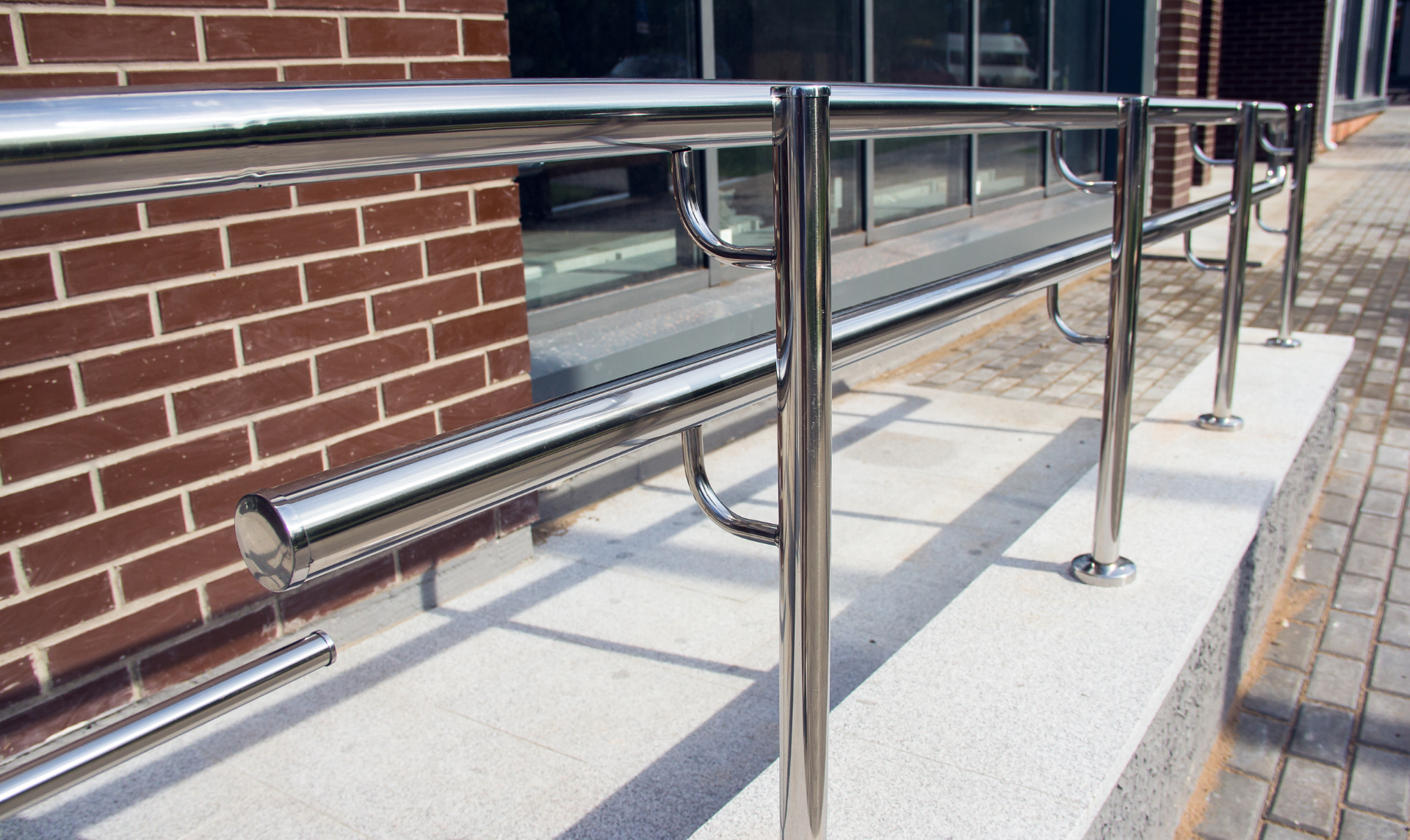
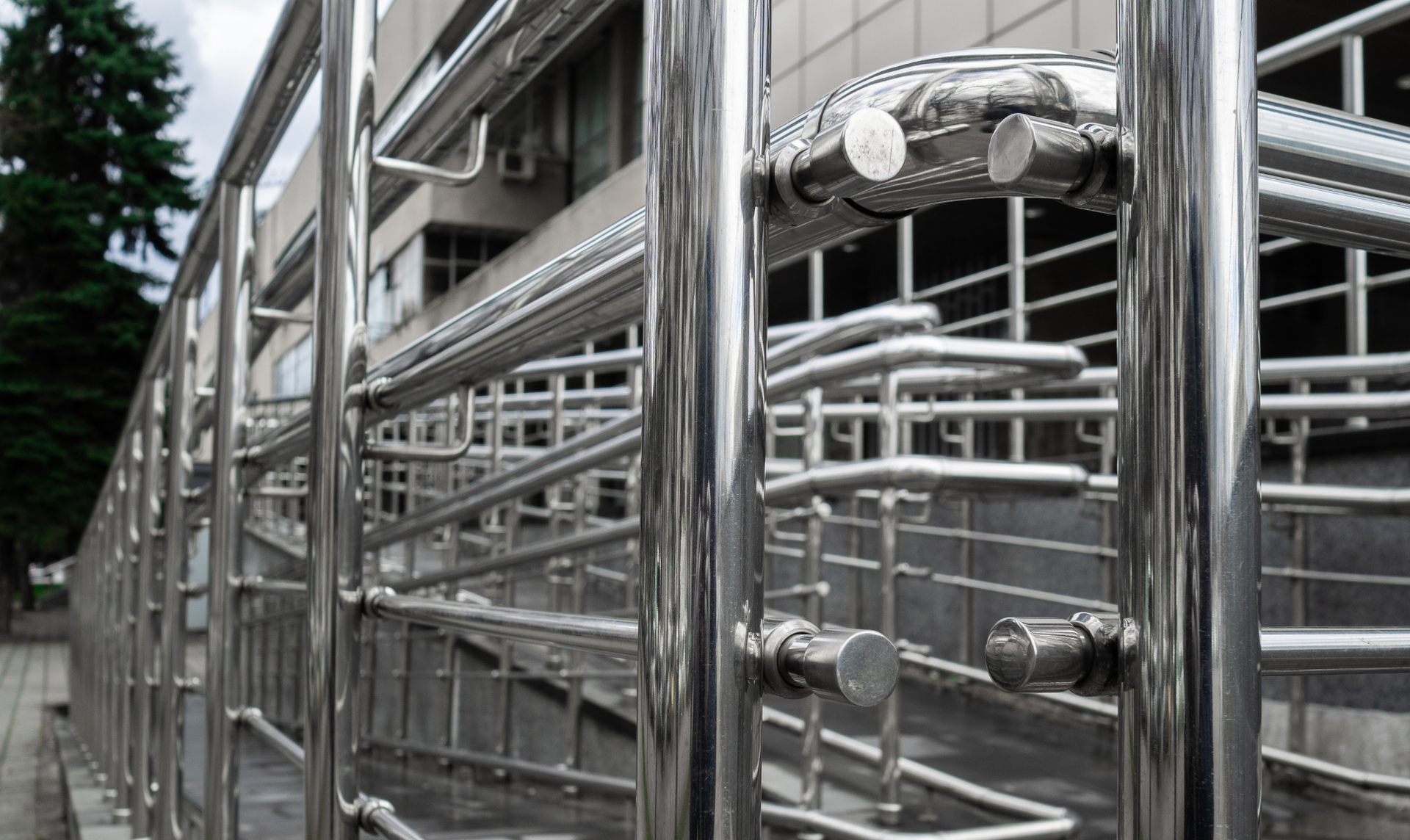
Most front-step railings are wrought iron, but we also install stainless steel and aluminum depending on the home's style. For a traditional brick home, a simple iron handrail with a clean profile is usually the best fit. For a more contemporary home, stainless steel or a flat-bar iron design might be more appropriate.


We bring design samples to every on-site estimate so you can see finish options and styles in person.


What It Costs


Front-step handrails are one of the more affordable railing projects. A basic single-side handrail for 3–5 steps typically falls in the $500 to $1,200 range installed, depending on the material and design. A double-sided railing (rails on both sides of the steps) or a longer run of stairs will be on the higher end.


We provide detailed written estimates so you know the exact cost before any work begins.


Timeline


Most front-step handrails can be measured, fabricated, and installed within 7–10 business days from approval. The installation itself usually takes a few hours.


Code Requirements


Georgia requires a graspable handrail between 34 and 38 inches above the stair nosing on any stairway with four or more risers. The handrail must extend at least 12 inches beyond the top riser. We build every handrail to current code standards.


Getting Started


Call us at (404) 410-6030 or fill out our online form. We'll schedule an on-site visit, take measurements, talk through your options, and have a written quote to you within 48 hours.


You might also like
By Cody Frost June 26, 2026
Rusty, wobbly, or outdated? Here are 5 signs it's time to repair or replace your iron railing. From Atlanta Railing Pros.
By Cody Frost June 26, 2026
Before you install or replace a railing on your Atlanta home, it helps to know the basic code requirements. Georgia follows the International Residential Code (IRC) for single-family homes, and the City of Atlanta and surrounding counties enforce these standards through their building departments. Here's what you need to know. When Is a Railing Required? Georgia code requires a guardrail on any elevated surface — including decks, balconies, porches, and landings — that is more than 30 inches above grade. If your deck is higher than about two and a half feet off the ground, it needs a railing. Handrails are required on any stairway with four or more risers. That includes exterior front steps, back deck stairs, and interior staircases. Height Requirements Guardrails (the protective barrier on a deck or balcony) must be at least 36 inches tall for residential applications and 42 inches for commercial. Handrails (the graspable rail you hold onto going up or down stairs) must be between 34 and 38 inches above the stair nosing. Baluster Spacing The openings between balusters (the vertical bars in a railing) cannot allow a 4-inch sphere to pass through. This is a child safety requirement — the gap has to be small enough that a young child can't fit their head through. This is one of the most common code violations we see on older railings. If your railing's baluster spacing is wider than 4 inches, it's not up to current code. Graspability Handrails must be graspable, meaning you can wrap your hand around them. For round handrails, the diameter must be between 1.25 and 2 inches. Flat-topped deck rails that are 3–4 inches wide don't meet the graspability requirement on their own — they need a separate graspable handrail mounted on top or alongside. Do You Need a Permit? For most railing replacement projects on existing residential properties in Metro Atlanta, a permit is not required. However, if you're adding a railing as part of new construction, an addition, or a major deck build, a permit is typically needed. Code enforcement varies by jurisdiction — the City of Atlanta, Fulton County, DeKalb County, Cobb County, and Gwinnett County each have their own building departments and processes. We'll let you know during the estimate if your project is likely to need one. What This Means for Your Project If you're replacing an existing railing, the new one needs to meet current code even if the old one didn't. We build everything to current standards so you don't have to worry about compliance. Questions about whether your railing is up to code? Call us at (404) 410-6030 — we're happy to take a look and give you an honest assessment.
By Cody Frost June 26, 2026
If you're replacing an old railing or adding a new one, the material you choose matters more than you might think — especially in Atlanta. Georgia's climate is tough on outdoor metalwork. Summers are hot and humid, afternoon thunderstorms are a regular occurrence from May through September, and the temperature swings between seasons can cause metal to expand and contract. A railing material that works great in a dry climate might not hold up the same way here. Here's how we think about material selection for Atlanta homes. Wrought Iron — The Traditional Choice Iron is the most popular railing material in Metro Atlanta, and it has been for decades. It's strong, it looks good on most home styles, and it can be fabricated into virtually any design — from simple straight rails to detailed scrollwork. The tradeoff is maintenance. Iron needs a protective finish (we use powder coating) and periodic touch-ups where the finish gets chipped or scratched. In Atlanta's humidity, bare iron will start showing surface rust within months. But with a good finish and basic annual upkeep, iron railings last 30 years or longer. Best for: front steps, interior staircases, balconies, traditional and transitional home styles. Stainless Steel — Modern and Maintenance-Free Stainless steel doesn't rust, doesn't need painting, and keeps its appearance with nothing more than an occasional wipe-down. It's becoming increasingly popular in Midtown, West Midtown, and newer developments where homeowners want a clean, contemporary look. The material costs more upfront than iron, but the maintenance savings over time often make up the difference. If your priority is a railing you can install and forget about, stainless steel is hard to beat. Best for: modern homes, rooftop decks, indoor/outdoor transitions, commercial spaces. Aluminum — Lightweight and Weather-Proof Aluminum is the most weather-resistant option available. It won't rust, even without a protective finish, and it's significantly lighter than iron or steel. That makes it a practical choice for pool decks, screened porches, and elevated decks where weight matters. Aluminum railings typically come pre-finished from the manufacturer in standard colors (black, bronze, white). They're not as customizable as iron in terms of decorative design, but for a clean, functional railing that requires zero maintenance, aluminum is the best value. Best for: pool areas, screened porches, elevated decks, budget-conscious projects. How We Help You Decide During every on-site estimate, we talk through material options based on your specific situation — where the railing is going, what it needs to withstand, what style you're going for, and what your budget looks like. There's no single right answer. The best material is the one that fits your property and your priorities. If you're ready to talk through your options, give us a call at (404) 410-6030.

Book a Service Today