Transform Your Staircase with Elegant Handrail Solutions
August 29, 2024
Transform Your Staircase
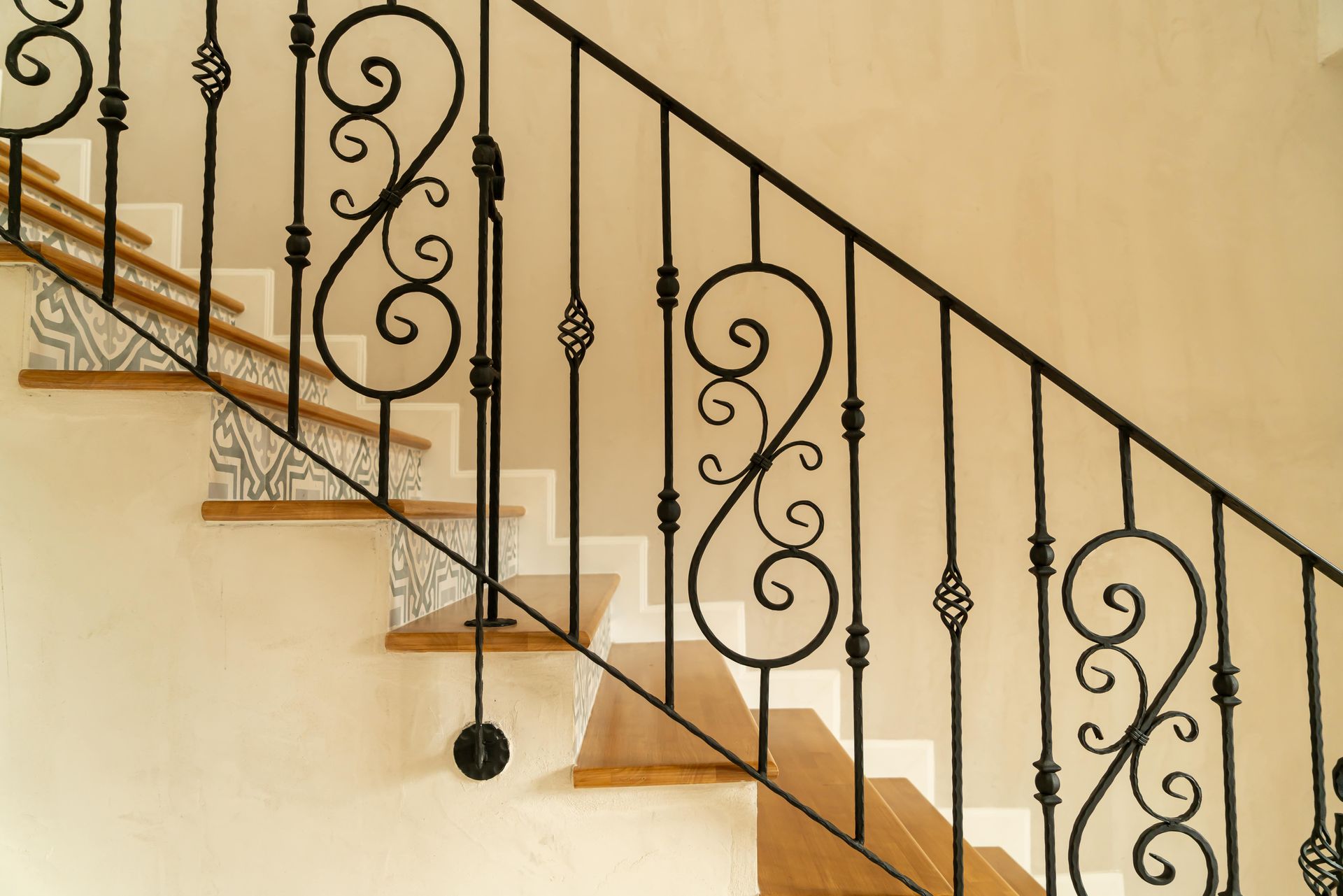
The staircase is often one of the most prominent features in a home, serving as a functional pathway between floors and as a visual focal point. One of the easiest and most effective ways to elevate the look of your staircase is by updating or installing elegant handrail solutions. At Atlanta Railing Pros, we believe that the right handrail can transform an ordinary staircase into a stunning architectural statement, combining safety, style, and sophistication.
The Role of Handrails in Staircase Design
Handrails play a dual role in staircase design. Functionally, they provide the necessary support and safety for anyone using the stairs, ensuring a firm grip and reducing the risk of falls. Aesthetically, they offer an opportunity to enhance the overall look and feel of your staircase, complementing your home's interior design and adding a touch of elegance.
Whether your home is modern, traditional, or somewhere in between, the right handrail can tie together the design elements of your staircase, making it a cohesive and attractive feature in your home.
Choosing the Right Material for Elegance
One of the key factors in creating an elegant handrail solution is selecting the right material. The material you choose will set the tone for the entire staircase and influence its overall aesthetic.
Wood:
Wooden handrails are a timeless choice that exudes warmth and elegance. They can be crafted in various styles, from the classic look of dark-stained mahogany to the light and airy feel of oak or maple. Wood can be carved and shaped to create intricate designs, making it ideal for traditional or classic interiors. For a modern twist, consider a sleek, minimalist wooden handrail with clean lines and a smooth finish.
Metal:
Metal handrails, such as wrought iron or stainless steel, offer a sophisticated and durable option. Wrought iron is known for its ability to be molded into intricate, ornamental designs, making it a favorite for homeowners looking to add a touch of old-world charm to their staircase. Stainless steel, on the other hand, provides a more contemporary look with its polished finish and minimalist appeal. Metal handrails can also be combined with other materials, such as glass or wood, for a unique and custom look.
Glass:
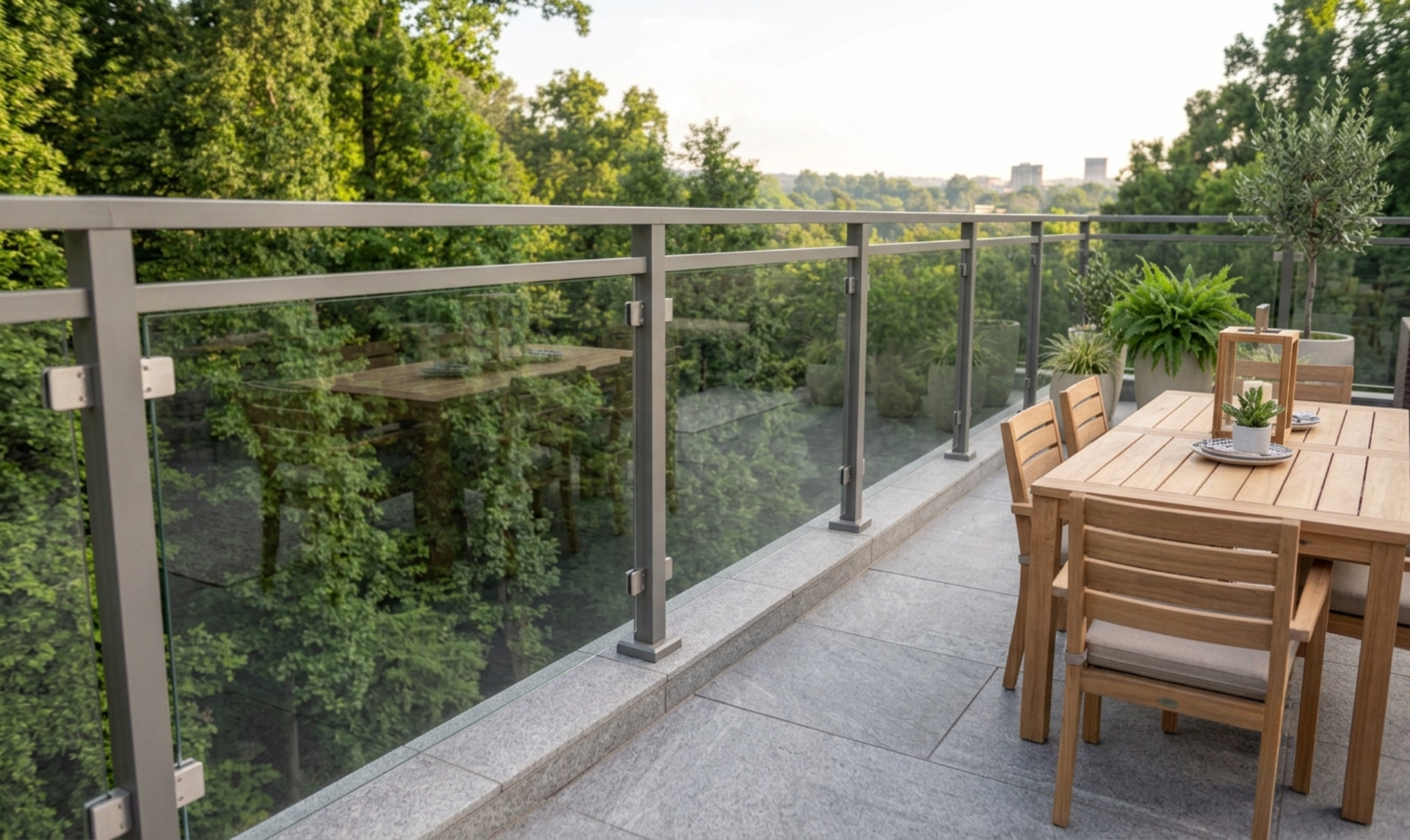
For a truly modern and elegant staircase, consider incorporating glass into your handrail design. Glass handrails create a sense of openness and light, allowing the staircase to blend seamlessly with the surrounding space. They are particularly effective in contemporary homes, where they can enhance the minimalist aesthetic. Paired with metal or wood, glass handrails offer a perfect balance between transparency and structure.
Cable:
Cable handrails are an excellent choice for those seeking a sleek and unobtrusive design. Made from stainless steel cables tensioned between posts, cable handrails are ideal for modern, minimalist homes. They provide safety without blocking views, making them perfect for open-concept spaces or staircases with large windows or scenic views.
Customization: Adding Personal Touches
To truly transform your staircase, consider customizing your handrails to reflect your personal style and the character of your home. Customization options include the shape of the handrail, the style of the balusters, and the finish.
Shape:
Handrails come in various shapes, from round to square to more elaborate profiles. A rounded handrail offers a classic and comfortable grip, while a square or rectangular design provides a more contemporary feel.
Balusters:
The vertical posts that support the handrail, known as balusters, are another area where you can inject personality into your staircase design. Choose from a range of styles, from simple and streamlined to ornate and decorative, depending on the look you want to achieve.
Finish:
The finish of your handrail can dramatically change its appearance. A polished metal finish exudes modern sophistication, while a matte or brushed finish offers a more understated elegance. For wood, consider staining it to highlight the natural grain, or painting it to match or contrast with the surrounding décor.
The Impact of Elegant Handrails on Your Home
Updating your handrails with elegant solutions can have a significant impact on the overall aesthetic of your home. A well-designed handrail not only enhances the beauty of your staircase but also adds value to your home by improving its architectural appeal.
At Atlanta Railing Pros, we specialize in creating custom handrail solutions that elevate the look of any staircase. Our expert craftsmen work with you to design and install handrails that perfectly complement your home’s style while providing the safety and functionality you need.
Conclusion
Transforming your staircase with elegant handrail solutions is an investment in both safety and style. By carefully selecting materials, designs, and finishes, you can create a staircase that is not only functional but also a stunning centerpiece in your home. At Atlanta Railing Pros, we are dedicated to helping you achieve this transformation, ensuring that your staircase is both beautiful and practical, enhancing the overall ambiance of your living space.
You might also like
If we had to pick one project that accounts for more of our residential work than anything else, it's front-step handrails. It makes sense — most Atlanta homes have at least a few steps leading to the front door, and Georgia code requires a handrail on any stairway with four or more risers. Here's what to expect if you're thinking about adding or replacing a front-step railing. Why Homeowners Call Us The most common reasons we hear: The existing railing is rusted, loose, or damaged. Atlanta's humidity takes a toll on iron railings over time, especially at the base where they meet concrete. There's no railing at all and one is needed — either for safety, for aging family members, or because a home inspection flagged it. The homeowner is selling and wants to improve curb appeal before listing. The existing railing is outdated and doesn't match the home anymore. Design Options Most front-step railings are wrought iron, but we also install stainless steel and aluminum depending on the home's style. For a traditional brick home, a simple iron handrail with a clean profile is usually the best fit. For a more contemporary home, stainless steel or a flat-bar iron design might be more appropriate. We bring design samples to every on-site estimate so you can see finish options and styles in person. What It Costs Front-step handrails are one of the more affordable railing projects. A basic single-side handrail for 3–5 steps typically falls in the $500 to $1,200 range installed, depending on the material and design. A double-sided railing (rails on both sides of the steps) or a longer run of stairs will be on the higher end. We provide detailed written estimates so you know the exact cost before any work begins. Timeline Most front-step handrails can be measured, fabricated, and installed within 7–10 business days from approval. The installation itself usually takes a few hours. Code Requirements Georgia requires a graspable handrail between 34 and 38 inches above the stair nosing on any stairway with four or more risers. The handrail must extend at least 12 inches beyond the top riser. We build every handrail to current code standards. Getting Started Call us at (404) 410-6030 or fill out our online form. We'll schedule an on-site visit, take measurements, talk through your options, and have a written quote to you within 48 hours.
Rusty, wobbly, or outdated? Here are 5 signs it's time to repair or replace your iron railing. From Atlanta Railing Pros.
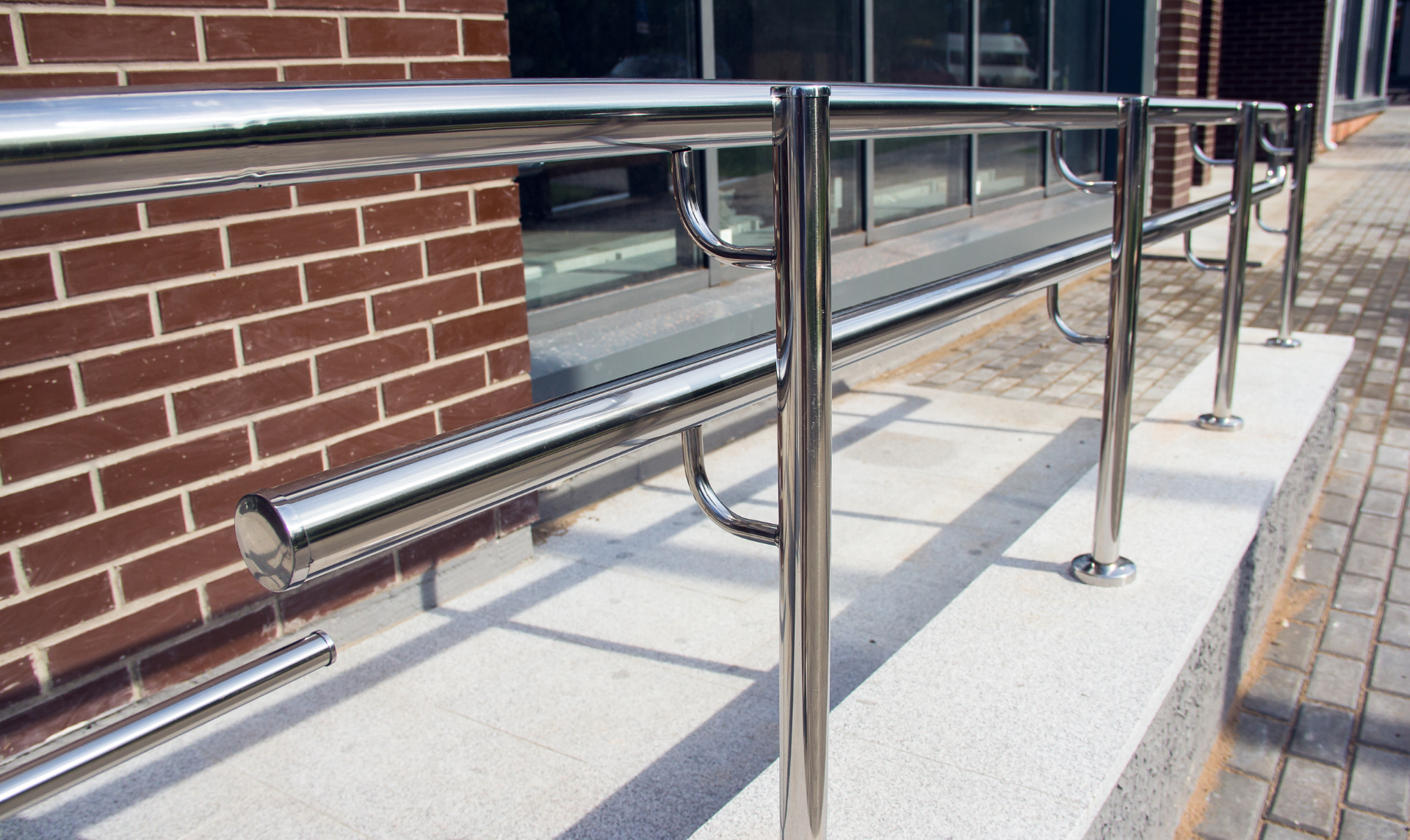
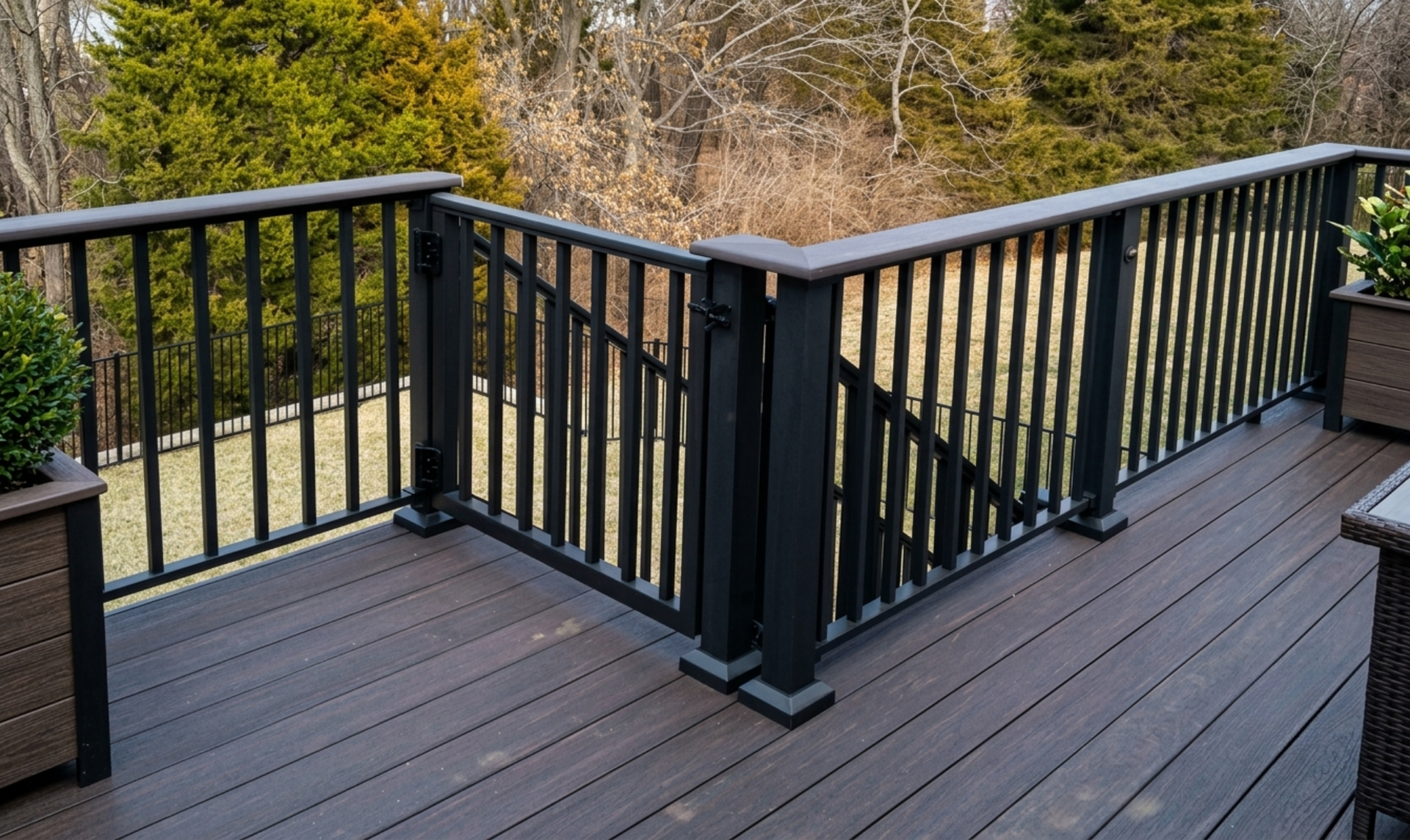
Before you install or replace a railing on your Atlanta home, it helps to know the basic code requirements. Georgia follows the International Residential Code (IRC) for single-family homes, and the City of Atlanta and surrounding counties enforce these standards through their building departments. Here's what you need to know. When Is a Railing Required? Georgia code requires a guardrail on any elevated surface — including decks, balconies, porches, and landings — that is more than 30 inches above grade. If your deck is higher than about two and a half feet off the ground, it needs a railing. Handrails are required on any stairway with four or more risers. That includes exterior front steps, back deck stairs, and interior staircases. Height Requirements Guardrails (the protective barrier on a deck or balcony) must be at least 36 inches tall for residential applications and 42 inches for commercial. Handrails (the graspable rail you hold onto going up or down stairs) must be between 34 and 38 inches above the stair nosing. Baluster Spacing The openings between balusters (the vertical bars in a railing) cannot allow a 4-inch sphere to pass through. This is a child safety requirement — the gap has to be small enough that a young child can't fit their head through. This is one of the most common code violations we see on older railings. If your railing's baluster spacing is wider than 4 inches, it's not up to current code. Graspability Handrails must be graspable, meaning you can wrap your hand around them. For round handrails, the diameter must be between 1.25 and 2 inches. Flat-topped deck rails that are 3–4 inches wide don't meet the graspability requirement on their own — they need a separate graspable handrail mounted on top or alongside. Do You Need a Permit? For most railing replacement projects on existing residential properties in Metro Atlanta, a permit is not required. However, if you're adding a railing as part of new construction, an addition, or a major deck build, a permit is typically needed. Code enforcement varies by jurisdiction — the City of Atlanta, Fulton County, DeKalb County, Cobb County, and Gwinnett County each have their own building departments and processes. We'll let you know during the estimate if your project is likely to need one. What This Means for Your Project If you're replacing an existing railing, the new one needs to meet current code even if the old one didn't. We build everything to current standards so you don't have to worry about compliance. Questions about whether your railing is up to code? Call us at (404) 410-6030 — we're happy to take a look and give you an honest assessment.