The Ultimate Guide to Installing Handrails: Enhancing Safety and Style with Atlanta Railing Pros
Enhancing Safety and Style with Atlanta Railing Pros
Handrails are more than just a functional necessity; they add an element of style, safety, and sophistication to any property. Whether you're looking to enhance the security of your stairways, ramps, or balconies, or simply want to add an aesthetic appeal to your home or business, installing handrails is a crucial step. At Atlanta Railing Pros, we specialize in providing top-quality handrail solutions that cater to a variety of needs and preferences. Here’s a comprehensive guide to help you understand the essentials of installing handrails.
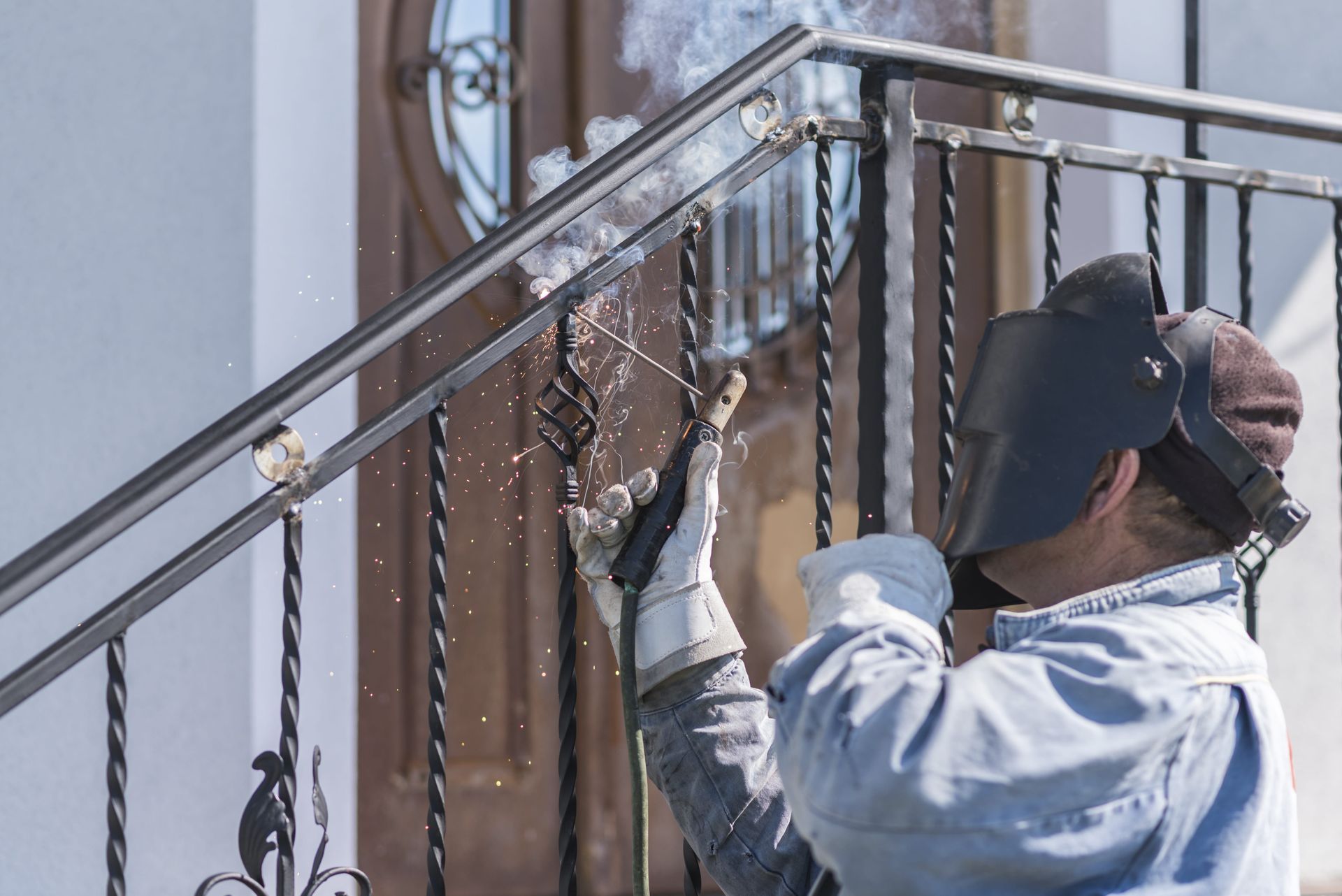
1. Understanding the Purpose and Location
The first step in installing handrails is identifying their primary purpose and location. Handrails serve to provide support and prevent falls, particularly on stairs, ramps, and balconies. It's essential to determine whether the handrails will be used indoors or outdoors as this will influence the choice of materials and design. For outdoor installations, materials that can withstand weather conditions, such as wrought iron or stainless steel, are preferable. Indoor handrails, on the other hand, can focus more on aesthetic appeal and comfort, with options like wood or aluminum.
2. Compliance with Building Codes and Regulations
Ensuring that your handrail installation complies with local building codes and regulations is critical. Each locality has specific requirements regarding handrail height, spacing, and load-bearing capacity. Moreover, if the handrails are intended for accessibility, they must meet the standards set by the Americans with Disabilities Act (ADA). This includes guidelines on the height and diameter of the handrails to ensure they are easy to grip and provide adequate support.
3. Choosing the Right Materials
The choice of materials for your handrails can significantly impact both their durability and appearance. Here are some popular options:
- Wrought Iron: Known for its strength and classic elegance, wrought iron is ideal for both indoor and outdoor use. It can be crafted into intricate designs, adding a touch of sophistication to your property.
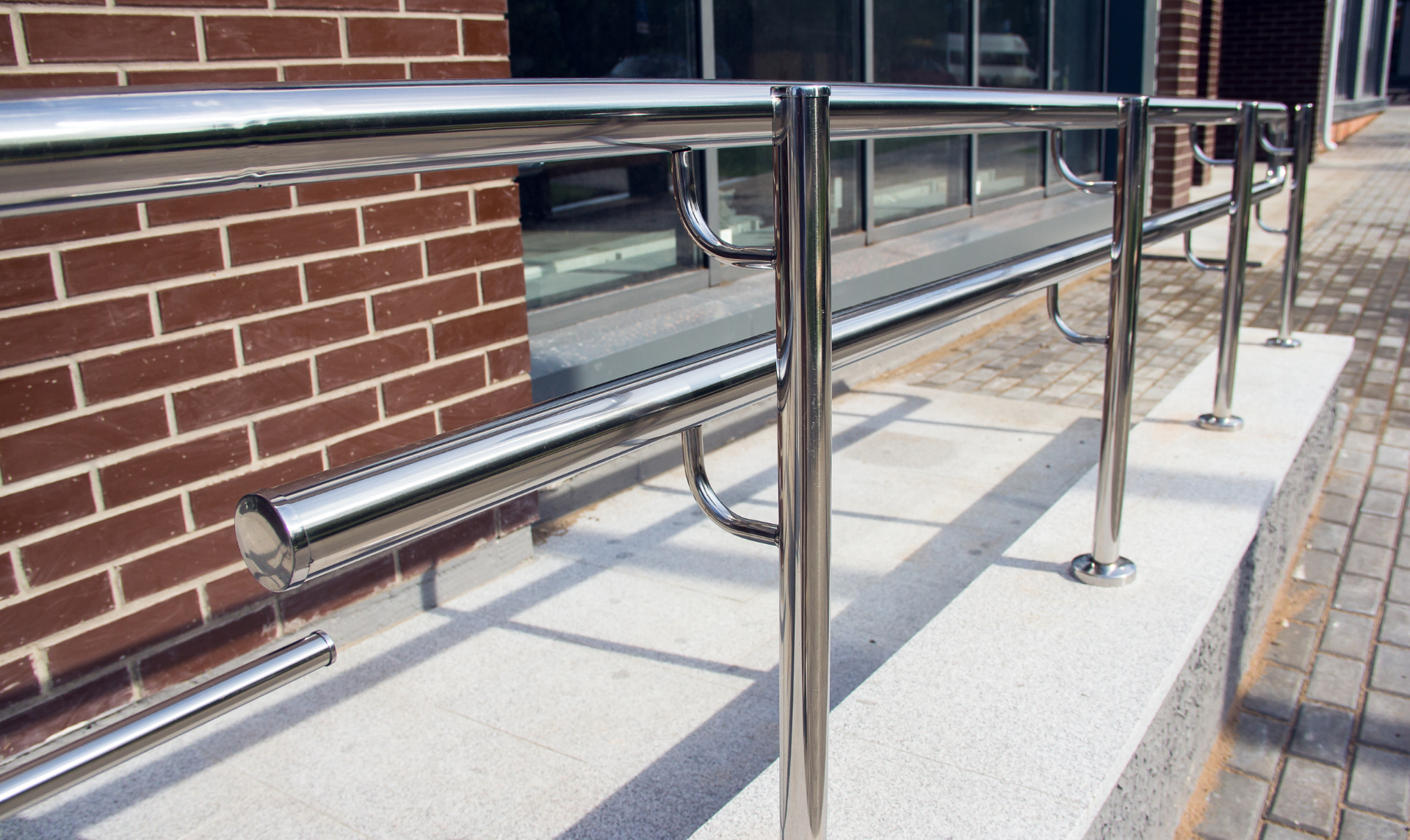
- Stainless Steel: This material offers a sleek, modern look and is highly resistant to corrosion, making it perfect for outdoor installations.
- Wood: Wooden handrails provide a warm, traditional appeal and can be customized with various finishes to match your interior decor. However, they require regular maintenance to prevent wear and tear.
- Aluminum: Lightweight and corrosion-resistant, aluminum handrails are easy to install and maintain, making them a practical choice for many applications.
4. Design and Ergonomics
The design of your handrails should not only complement the existing architecture of your property but also ensure comfort and safety. Handrails should have a smooth, rounded profile that fits comfortably in the hand, reducing the risk of injury. Additionally, the style of the handrails, whether traditional, modern, or minimalist, should align with your overall aesthetic vision.
5. Accurate Measurements for Height and Length
Proper measurements are crucial for the effective installation of handrails. Typically, handrails should be installed between 34 and 38 inches above the stair nosing. The length of the handrails should cover the entire stairway or ramp, with necessary extensions for added safety. Accurate measurements ensure that the handrails provide adequate support and comply with safety standards.
6. Secure Mounting and Stability
A secure installation is paramount to the safety and functionality of handrails. Use appropriate mounting hardware and ensure that the wall or structure supporting the handrails is sturdy and capable of bearing the load. If using balusters or spindles, they must be spaced correctly to prevent accidents and comply with safety standards.
7. Incorporating Safety Features
Consider additional safety features to enhance the functionality of your handrails. Non-slip grips are particularly beneficial for outdoor handrails, preventing accidents in wet conditions. Smooth, rounded edges are also essential to prevent injuries.
8. Considering Environmental Factors
For outdoor handrails, it’s important to choose materials that can withstand environmental conditions such as UV rays, rain, and temperature fluctuations. Regular maintenance, such as sealing or painting for wooden handrails and rust treatment for metals, is essential to ensure longevity and durability.
9. Budget Planning and Cost Considerations
Budget planning is a key aspect of any handrail installation project. Consider the cost of materials, labor, and additional features, and be prepared for potential unexpected expenses. Opting for high-quality materials may have a higher upfront cost but can offer better long-term value and reduced maintenance costs.
10. Professional Installation vs. DIY
Finally, decide whether to hire professionals or undertake the installation yourself. Professional installation ensures compliance with codes and standards, and provides peace of mind that the job is done correctly. However, if you have the necessary skills and tools, a DIY installation can be a cost-effective option.
At Atlanta Railing Pros, we pride ourselves on delivering exceptional handrail solutions that blend safety, functionality, and aesthetic appeal. Whether you need handrails for a residential or commercial property, our team of licensed professionals is here to help. Contact us today to discuss your handrail needs and discover how we can enhance your property with our top-quality handrail installations.
You might also like